Category: Food

  • Hawaiian Health and the Coconut

    Hawaiian Health and the Coconut

    Upon moving to Hawaii, it’s hard not to be instantly swept up in the culture and nature of the world around you. It’s as if even the air is different here – and, in some ways, it probably is. The islands are rich with pleasant flowers, and the consistent trade winds blowing in mix the fragrant smell of plumerias, gingers, and the sea with a whole variety of other wonderful scents. The mood is relaxed and cheerful, and the people just seem healthier and happier.

    Coconut! Thanks flickr use bionicteaching

    Well, maybe they are healthier. Hawaii has some of the lowest rates of heart disease, childhood obesity, cancer, and even deaths by Alzheimer’s in the US. While part of this might be due to good health care coverage and availability (Hawaii has the second lowest rate of uninsured individuals in the US), it might also have a lot to do with the food.

    The Coconut, as Food

    If there’s one thing that Hawaiians know how to do well, it is eat. Traditionally, Hawaiians welcome others to their home by saying “Kahea ai. Ai a ma’ona,” which roughly translates to “Come in and eat all you want.”  Often, coconuts will be waiting for you.

    Called Niu, the coconut was raised from an ordinary food item to a sacred tree. It is shown in mythical art and verbal lore as a magical tree, an image of Ku, the ancestor of the Hawaiian people and the link to their original home. Of course, it had its culinary uses, too. Most common in Hawaiian cuisine is coconut pudding, called haupia, which is a staple at every luau.

    While the trunks and leaves were used for tools and shelters, it was the nut alone that provides the coconut’s nutritious benefits. In botanical terms, the coconut is truly a nut.  On the outside is the husk, called the mesocarp, which must be removed to gain access to the inner fruit. The precious interior is further protected by the endocarp, or the hard surface known as the shell. Lining the inside of this protective shell is the white, fleshy endosperm or “meat” of the coconut.

    Coconuts, though, unlike most other nuts, have a hollow interior filled with a liquid often referred to as coconut water.  This water is not the coconut milk often used in cooking – that is created by grating the meat and mixing it with water. Thus coconut milk, used mainly in Asian cuisine, is nutritionally comparable to coconut meat not coconut water.

    Coconuts grow on big trees, thanks to flickr user Swami Stream

    Green, immature coconuts can contain up to one liter of coconut water, which is much sweeter and cleaner tasting than coconut milk. In either case, the liquid is high in electrolytes, and is thus very good for preventing dehydration or diarrhea. It has long since been a popular drink where coconuts are found, and is sold fresh, canned, or bottled. The water contains very few calories but because it contains potassium and other electrolytes it’s even marketed as a sports drink. Coconut water can even be used as an intravenous fluid if desperate, when medical saline is unavailable.

    The main part of the coconut used nutritionally is the meat. Mature coconut meat is about 50% water, 35% fats and oil, 10% carbohydrates and 3.5% protein. Compared to other nuts, the meat is actually fairly low in fat, although it is mostly comprised of short-chain saturated fats instead of the unsaturated fats found in nuts like almonds and peanuts. Ninety percent of the fat in coconuts is saturated, exceeding lard and butter for saturated fat content. However, there is some debate as to whether the saturated fats found in the coconut are unhealthy.

    The Coconut, as Medicine

    The major component of the fats in coconut meat is Lauric Acid, a rare medium-chain fatty acid that, as far as our diets go, is primarily found in human breast milk. Despite the general nutritious distaste for saturated fats, studies have shown that coconut oil (which is made from pressing the fatty acids out of the meat) might actually help reduce abdominal fat and obesity. And despite LDL cholesterol concerns, studies have found that increased lauric acid dietary intake is linked to reduced heart problems. Studies have even found that virgin coconut oil has antioxidant properties.

    Research has been mounting which suggests health benefits of lauric acid and other coconut fatty acid derivatives. Lauric acid has also been investigated for its antibiotic properties. In study after study after study, lauric acid has been shown to kill a variety of bacteria and fungi. For this reason, as well as its general moisturizing properties, coconut oil may be a good treatment for many skin conditions, from acne to dermatitis. But even beyond antimicrobial properties, gaining research seems to support lauric acid as a possible treatment for chronic diseases. Lauric acid and similar fatty acids have been found to inhibit cancer cell growth.

    Lauric acid may slow HIV down

    But the most staggering, and of course controversial, effect of lauric acid seems to be its ability to slow or stop the progression of viruses. Lauric acid and its similar saturated fatty acids have been shown to interfere with virus maturation in different viruses, and has even been shown to slow the spread of HIV viruses by preventing viral budding. Unfortunately, very few clinical studies have yet to be done utilizing coconut, and so how effective or useful dietary supplementation of coconut meat or oil is on such diseases is unknown.

    Even considering the possible downsides of saturated fats, there is still room for them in our diets, so even ignoring the possible benefits of lauric acid, coconut meat isn’t unhealthy. Coconut meat contains far less sugar than other fruit choices, and is fairly high in protein witha bout 9% fiber by volumn, making it actually quite good for you. And on top of that, coconut meat is uniquely high in vitamins and minerals, including many Vitamin Bs (like Thiamine and Niacin, which promote good mood), Vitamin C, Calcium, Iron, Magnesium, Phosphorus, Potassium and Zinc.

    Aloha, and Enjoy

    Of course, the sun, scenery and wonderful weather might also have something to do with the mood of Hawaii. While it might not just be the coconut which makes Hawaiians so healthy and happy, it certainly is a nutritious way to spruce up your meals with a little tropical flavor. Curries and other Asian recipes often use coconut milk as a base. But if you’re going for raw coconut meat, the most important thing to consider is freshness.

    As a liquid-filled nut that often has to be transported from the tropics, it can go bad quickly. The best way to make sure it’s fresh is to examine it closely, ensuring there is no mold or cracks. You want one with a little weight for its size, and be sure to shake it to hear the water sloshing within. Cracking it on your own, of course, it a bit of an art form – I’ve heard that a screwdriver to the “eyes” (three, small spots which become holes where the seed germinates out of) or power drills do the trick well if you want to save the water. Otherwise, a machete or a hammer can go a long way! Other than that, Aloha, and enjoy!

  • Does McDonalds Own Chipotle? – Mailbag

    Does McDonalds Own Chipotle? – Mailbag

    Hi – I was watching Nightline a couple weeks back and they had a special on Chipotle using free-range animals. Then I remembered that Chipotle is owned by McDonalds [America’s #1 buyer of factory farm beef -ed]. Is this true?

    – James, Minneapolis, MN

    This is an excellent question we have also heard many times. After some research, the short answer is, no, Chipotle is not owned by McDonalds as of 2009 but it once was. The story is quite complicated actually.

    How deep does the love go?

    Chipotle was founded in 1993 by Steve Ells in Denver, Colorado, funded by an $85,000 loan from his dad, according to an excellent article by the Rocky Mountain News, Denver’s now defunct paper. The restaurant was based upon Ells time in San Francisco where he studied the burrito stands in the city’s Mission district. His instincts were vindicated as the restaurant was an immediate success. Ells managed to open a chain of five stores around Denver by 1998.

    After this initial success, McDonalds did enter the picture, purely as an investment partner in 1998, technically making Chipotle a subsidiary of McDonalds. That same article from the Rocky Mountain News mentions, very briefly, that Ells family connections to McDonalds helped pave the road for Chipotle’s massive expansion. We did not independently verify this fact, but it was published in a major American newspaper, giving it substantial weight in our minds.

    From Investor to Owner

    With McDonalds onboard, Chipotle started to build out beyond their Denver market – into Kansas City, Ohio and Minneapolis. That success that would lead McDonalds to become the majority owner of the firm in 2001, making Chipotle fully-owned subsidiary of McDonalds. This is when Chipotle ascended into a household name across the United States. From 2001 to 2006, Chipotle went from under 100 stores to 466 – expanding into more than 30 states [1].

    It was then in January 2006 that McDonalds said goodbye to Chipotle, spinning off the company in an IPO on the NYSE, saying they wanted to concentrate on their core business.

    Technically though, that was not the end. McDonalds continued to hold a large amount of class B shares of Chipotle for another 6 months, and these class B shares contained over 80% of the voting rights to the company [2]. McDonalds then authorized the final divestment deal in October of 2006 whereby their own shareholders could exchange McDonalds stock for the remaining class B voting shares of Chipotle. According to SEC documents, this was done for tax purposes [2].

    So, since October 2006, Chipotle has not been owned by McDonalds but much of the company’s DNA and supply chain management is likely taken directly from McDonalds. Chipotle now trades as an independent company on the NYSE under the call sign, CMG [3].

    Chipotle Vs. McDonalds

    Here is the Nightline story and video James was referencing:

    Chipotle and Pastured Pigs

    (Click picture to view video, its well done)

    The video highlights Chipotle’s commitment to buying from pasture-raised hog rearing operations. Many of these operations are small in nature, so there is an implicit commitment to sustainable farming practices. We cannot be sure of exactly how local or regional Chipotle’s supply chain (those are trade secrets), but in the fast food arena, they are the leader in this space. Chipotle was the first restaurant to remove rBGH for all their milk products, buys from family farms and makes a real, financial commitment to sustainable meat.

    The real conundrum James is implying with this question of Chipotle’s ownership is how could McDonalds, known for poor food quality and nutrition, simultaneously invest in a company with such divergent values.

    McDonalds is a business and will do whatever it takes to make money. Chipotle hit a nerve with the public and McDonalds likely did extremely well with their investment.

    For their part, McDonalds does keep a “Values in Practice” section on the corporate responsibility portion of their website. It mentions some laudable things – namely that:

    In 2007, 91% of our fish was sourced from fisheries without any unsatisfactory sustainability ratings.

    But, as is the case with most ingredient labels you see in the store, what isn’t said is usually more important than what is. McDonalds is well known as the leading buyer of meat from factory farming operations. And while McDonalds does certify that their operations are humane, whatever guidelines they are using as not publicly available so they cannot be verified.

    Their operations are so large that even if they made a small commitment to sustainable farming practices, massive changes would occur throughout the supply chain – effecting what’s in the grocery store for everyone. Hopefully, that day is near.

    In the mean time, you can enjoy either Chipotle or McDonalds foods knowing they are two, separate corporate entities.

    Full Disclosure – This author owns no stake in either one of these companies.

    Chipotle Nutrition Information

    A late edition here, this is the nutrition information for the Chipotle menu.

  • Food Safety Enhancement Act (HR 2749) Advances Out of Committee

    Food Safety Enhancement Act (HR 2749) Advances Out of Committee

    UPDATE at bottom (jump there now)

    Wednesday June 10th marked a historic day in food safety as the Food Safety Enhancement Act (HR 2749) moved out of subcommittee for a vote in the US House in the coming weeks. Here we review the bill and talk about what you can expect in the weeks to come.

    HR 2749 is patching up the archaic Federal Food, Drug, and Cosmetic Act from the 1930s, the last time food safety legislation was significantly updated (believe it or not). This legislation set up the fractured structure we have today – that has given us countless recalls of late. The genesis of for a new bill was the peanut butter recall earlier this year but, in reality, this legislation has been coming for a long, long time.

    Poised for a comeback?

    Interestingly, the usual detractors to food safety legislation have had a huge break in their ranks because of the peanut butter scare. While large meat producers like Tyson and Smithfield are dumping their usual lobbying efforts against HR 2749, the processed food industry is now endorsing this legislation – overwhelming the meat industry’s efforts. There is no sea change in ethics going on here; the estimated $1 billion lost by industry (and $200 million alone by the Peanut Corporation of America) is the real reason. It seems poisoning your customers is bad business.

    Are Small Farms Protected?

    The legislation is doing a bunch of things for food safety, most notably giving the FDA mandatory recall authority. This has been a major sticking point for previous iterations of this legislation in the House, because House reps more than senators represent small fiefdoms inside large rural states. These districts worry recalls will disproportionately harm smaller businesses and processors versus their larger partners. In a sense, FDA recalls and fees would represent a regressive tax.

    This is an extremely valid concern given the FDA’s proclivity for influence from industry. However, this bill was able to climb out of committee in the House because it properly addressed small growers and farmers markets. Specifically, Section 107 of the bill which stipulates ‘Traceability Requirements’ on most farms makes an exemption for farmer’s markets (more or less):

    ‘(4) EXEMPTIONS-

    ‘(A) DIRECT SALES BY FARMS- Food is exempt from the requirements of this subsection if such food is–

    ‘(i) produced on a farm; and

    ‘(ii) sold by the owner, operator, or agent in charge of such farm directly to a consumer or restaurant.

    Traceability is a huge issue and this bill seeks to establish a new electronic system for tracking that will be vetted over the course of a couple years.  The exemption for small farmers is good but poorly defined.  We hope this vague language about exemptions gets tightened up as the bill moves forward. It would be a pity to see this single exemption allow major agribusiness farmers off the hook.

    Watch some of the debate in congress over this very issue:

    Quarantine Authority, however, is maintained for all farms, restaurants, convenience stores and grocery stores – and this ability is really what gives this legislation its teeth. The FDA has been tied in knots over what it can do once it finds problems in the system; this legislation overcomes that problem and would be a major boon to the FDA’s policing powers, for better or worse. This part of the legislation will surely evolve when the bill comes up for a full vote in the weeks to come, so stay tuned if you are interested in the finer points.

    What does this cost?

    This new legislation is original in that it imposes it costs on the very people it is inspecting, a controversial move. This allows the legislation to scale up with the growth of industry, which has been a huge problem for the current FDA. In 1972, the FDA conducted 50,000 food safety inspections; in 2006, the FDA conducted 9,164. Obviously, more coverage is required but again, the worry is how this new provision will impact the booming small, sustainable agriculture field.

    The major concession made yesterday that helped get this legislation out of committee was by paying attention to smaller establishments. They reduced the yearly fee paid to the FDA by 50% from $1000 to $500, a fee they argue should be affordable for all and one that does not cover all of the FDA’s costs. Our worry is that if this fee does not cover the FDA’s new actions, it will gradually go up over time. It would seem smarter to price in what it costs to make this legislation happen rather than begging for funds later.

    We will cover this bill more as it progresses but as it stands now, it is a huge improvement over the system we currently have from the 1930s.

    Watch the opening remarks on the legislation here:


    UPDATE:

    As of June 17th, the HR2749 has officially been voted out of committee for a vote in the US House in the coming months.

    The Maine Organic Farmers and Gardeners Association (MOFGA) has some interesting things to say about the legislation. They were working directly with the congress to address the concerns of small farmers – and they appear to have done a great job. All 12 of their most immediate concerns were addressed. Some of the major ones were:

    • exemptions for traceback systems for direct market sellers
    • criteria for produce safety standards that include their impact on family farms and organic farms
    • ways to incorporate other standards (e.g. fair trade) into import standards through accreditation

    The full list can be read here:

    The Ethicurean also had some good words on the subject. Here is a list of what they gleaned from the legislation:

    • high-risk food processors HAVE to be inspected 1-2X per year
    • fees are expected to give the FDA about $200 million to conduct new inspections
    • the FDA get rulemaking authority for the ‘safe growing and harvesting of produce’

    In addition, there is a $175,000 cap on total fees for any one operation, which may be revised upwards, considering the size of some individual operations now in existence. The exact slide of the sliding-fee scale is yet to be determined.

    Both Ethicurean and MOFGA note that the legislation does not yet fully comprehend the role farmers have in processing small food stuffs and how that interacts with the larger food system. No line has been drawn as to what size a farm is before it becomes a potential widespread health hazard – so they ask for more guidance there.

    Overall, this legislation seems to be shaping up quite nicely for all parties involved. But much time remains and it still has to go to a vote in both the House and Senate. At least, both Republicans and Democrats were complimenting each other on how they worked together. Did hell just freeze over?

  • Brain Food: Berries and Greens! (Part 2)

    Brain Food: Berries and Greens! (Part 2)

    We all know that we should be eating our 5-7 servings a day of fruits and vegetables. But there’s good reason to make quite a few of those servings berries. Berries, like blueberries, strawberries and cranberries, have all kinds of nutritional benefits because of their color – no, really.

    This article is the 2nd part of a 2 part series about Brain Food.  You might also find our first installment on Nuts helpful in understanding the Brain > Food connection.

    The berry

    The main pigments which color berries the bright blues and reds are anthocyanins, which just happen to be more than just colorful. They’re powerful antioxidants which have benefits similar to the Vitamin E in nuts. In the plants, these pigment molecules serve to protect the fruit from sun damage, bacteria, viruses, fungi and the harmful free radicals that are produced during photosynthesis.

    When eaten, they pass these effects on to us. Anthocyanins turn on and off important genes in our brains, allow cells to respond quickly and efficiently to signals, and even promote the growth of new nerve cells. Though present in all kinds of vegetables, fruits, and flowers, anthocyanins are found at their highest levels in:

    • blueberries
    • blackberries
    • black and red raspberries
    • black and red currants
    • red grapes
    • red wines

    Blueberries and Beyond

    Blueberries are often touted as a ‘superfood‘, having so much good stuff packed into each delicious bite – and for good reason. Blueberries have been shown to contain more antioxidants than 50 other fresh fruits and vegetables, which protect our brains from aging-related degeneration and improve cognitive function. They also have been shown to improve short term memory, coordination, and navigation skills due to how the compounds support neurotransmission, improve blood vessel elasticity and ramp up protective kinases like ERK and PKC.


    Superfood!

    A 2007 symposium on berry health benefits showed that blueberries (and other berries, like cranberries) may alleviate the cognitive decline occurring in Alzheimer’s disease and other conditions of aging. Studies in rats have found that dietary blueberries improve mental abilities, and those genetically prone to Alzheimer’s-like brain problems can prevent the neurological symptoms by consuming blueberry extract.

    Blueberries even wear capes!

    But that’s not to dis other berries. Strawberries contain fisetin, which has been found to improve long-term memory. They’re also rich in iodine, which is key for the brain and nervous system to properly function, and Vitamin C, which also acts as an antioxidant. One study

    , published in Neurobiology of Aging, found that different berries had different positive effects, and that the best thing for us, then, is a mix.

    Strawberry with fisetin

    Strawberries helped rats memorize and run a maze faster while blueberries boosted their memories and ability to run it backwards, processes which use two different parts of the brain. And other berries are great for us, too. Black raspberries and cranberries are even under investigation as treatments for cancer! So the best thing is a combination of berries to get all of their nutritious brain-boosting goodies.

    The best part is that gorging on berries has few, if any, drawbacks. They’ve been shown to help reduce bad cholesterol and enhance weight loss, so you don’t have to worry about packing on a couple extra pound or two by overdoing it. They’ve been linked to good heart health, particularly when you start young. And, just to make them seem too good to be true: research has indicated that a combination of berries and the fatty, Vitamin E filled nuts is even better, with the two acting synergistically to provide more brain-boosting benefits than the sum of their individual effects.

    Don’t Weed Out Greens

    While berries are fantastic, other veggies, particularly leafy greens, are also super brain foods. Vegetables have all kinds of good nutrients in them, including the Vitamin E found in nuts, and they’ve been shown to help keep brains sharp as we age. In one study, eating 2.8 servings of vegetables a day led to 40% slower rates of cognitive decline than eating less than one serving per day.

    Spinach for Vitamin A

    Spinach and other greenery are rich sources of B vitamins, which are essential for the production of neurotransmitters like serotonin, dopamine and norepinephrine. These chemicals not only boost your thinking and memory, they balance your mood to help keep you balanced and focused on the task at hand. They also help fight the degenerative affects of aging on our brains.

    Low levels of B vitamins have been linked to cognitive decline in aging men. Another study found that people the lowest levels of dietary B vitamins were 80% more likely to have Alzheimer’s. These veggies also contain folate, which can help prevent the strokes which lead to brain degeneration.

    Green, leafy veggies are also high in iron. Iron is a key nutrient for our brains, and its deficiency, called ‘anemia’, can have devastating impacts. Numerous studies have found that a lack of iron, particularly when we’re young, has strong consequences on our minds. Iron deficiency in youth can lead to irreversible changes in brain chemistry, organization and structure. But it’s not just kids who need iron.

    One study found that adult women lacking in iron performed worse and more slowly on mental tasks than those who had enough in their systems – a difference that was erased when the anemic women were given iron supplements for two months. Anemia, which causes a lack of heme, the body’s way of transporting oxygen to cells, can lead to brain cell death.

    Tomtoms!

    Other vegetables, like tomatoes, are full of great nutrients like Vitamin C and Vitamin A. And legumes, leafy greens, and other vegetables are even high in protein, which the brain uses as neurotransmitter building blocks. And you don’t just have to eat all these vegetables raw. As we told you beforesome vegetables actually have more antioxidants and other nutrients when steamed, boiled or fried than they do uncooked.

    And, like berries, the best part is it’s pretty tough to overeat greens. My grandpa always tells a story about a conversation he had with his nutritionist. “I don’t lose weight no matter what I do,” he said. “I could get fat on just broccoli!” Her response was simple: she just smiled and said “Go ahead. Try it.”

    Eat more salads and vegetables and you’ll be maintaining a slim figure while keeping your brain sharp!

    In Short: Feed Your Mind

    Keep this in mind: our brains, which are about 2% of our body by weight, use up 20% of our daily calorie intake. So to keep it sharp you have to keep it fed. Particular parts are extremely sensitive to dropping blood sugar levels, especially those related to thinking and clarity. After all, if you’re a little hungry, you don’t want to stop breathing, so the portions that control basic functions are fairly resilient. But you’ll find that if you starve yourself for a little while, you start to lose the ability to do easy math or memorization – tasks not required, specifically, to live.

    It’s important that you keep your blood glucose even for the best brain power, and having a snack (particularly of brain-boosting foods!) in and of itself will help you think sharper in between meals.  That doesn’t mean eat all the time or too much. High glucose levels and the immune system’s response to them are damaging to all types of cells. It’s even been suggested that high glucose levels for extended time periods can lead to Alzheimer’s – so don’t overdo it! But keeping your brain fed, especially with the foods above, will keep you at your sharpest all day long, even above and beyond their other brain-boosting effects.

    References:

    1. Joseph JA, Shukitt-Hale B, Denisova NA, Bielinski D, Martin A, McEwen JJ, & Bickford PC (1999). Reversals of age-related declines in neuronal signal transduction, cognitive, and motor behavioral deficits with blueberry, spinach, or strawberry dietary supplementation. The Journal of neuroscience : the official journal of the Society for Neuroscience, 19 (18), 8114-21 PMID: 10479711
    2. Gordon, M., Diamond, D., Shukitt-Hale, B., Morgan, D., Joseph, J., Denisova, N., & Arendash, G. (2003). Blueberry Supplementation Enhances Signaling and Prevents Behavioral Deficits in an Alzheimer Disease Model Nutritional Neuroscience, 6 (3), 153-162 DOI: 10.1080/1028415031000111282
    3. Maher, P., Akaishi, T., & Abe, K. (2006). Flavonoid fisetin promotes ERK-dependent long-term potentiation and enhances memory Proceedings of the National Academy of Sciences, 103 (44), 16568-16573 DOI: 10.1073/pnas.0607822103
    4. Shukitt-Hale, B., Carey, A., Jenkins, D., Rabin, B., & Joseph, J. (2007). Beneficial effects of fruit extracts on neuronal function and behavior in a rodent model of accelerated aging Neurobiology of Aging, 28 (8), 1187-1194 DOI: 10.1016/j.neurobiolaging.2006.05.031
    5. Morris MC, Evans DA, Tangney CC, Bienias JL, & Wilson RS (2006). Associations of vegetable and fruit consumption with age-related cognitive change. Neurology, 67 (8), 1370-6 PMID: 17060562
    6. Tucker KL, Qiao N, Scott T, Rosenberg I, & Spiro A 3rd (2005). High homocysteine and low B vitamins predict cognitive decline in aging men: the Veterans Affairs Normative Aging Study. The American journal of clinical nutrition, 82 (3), 627-35 PMID: 16155277
    7. Beard J (2003). Iron deficiency alters brain development and functioning. The Journal of nutrition, 133 (5 Suppl 1) PMID: 12730445
    8. Murray-Kolb LE, & Beard JL (2007). Iron treatment normalizes cognitive functioning in young women. The American journal of clinical nutrition, 85 (3), 778-87 PMID: 17344500
    9. Atamna, H. (2002). Heme deficiency may be a factor in the mitochondrial and neuronal decay of aging Proceedings of the National Academy of Sciences, 99 (23), 14807-14812 DOI: 10.1073/pnas.192585799
  • Brain Food: Nuts! (Part 1)

    Brain Food: Nuts! (Part 1)

    Many supplement pills or health foods claim to boost brain power – all you have to do is pay an arm and a leg for their product. The advertising divisions are counting on the fact that consumers don’t really know what’s in their foods or what compounds are the ones that boost their brains. And, since everyone wants a mental edge, whether it be for work or school, many people fall victim to clever marketing and outrageous ad claims. But, luckily, you read Nutrition Wonderland – so you know that you don’t have to pay some corporation for good nutrition. If you want some healthy brain-boosters, all you have to do is take a trip to the grocery store.


    Squirrel nuts away like this guy, thanks to flickr user Noël Zia Lee

    Many foods are packed with compounds that help boost memory, concentration, motor skills, and mental clarity. Some even have shown to help prevent brain degenerative diseases like Alzheimer’s. Most importantly, all these brain super-foods can be found at a supermarket – you just have to know what to look for! Here are some easy items from the nut family you can add to your diet to get the most out of your mental muscle without breaking the bank.

    Go Nuts

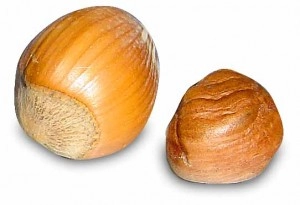
    All kinds of nuts have been shown to be great brain boosters. The main reason nuts and seeds are so good for our minds is that they’re chock full of Vitamin E, particularly almonds and hazelnuts. “Vitamin E” is not actually one specific compound – it’s the collective name for a group of fat-soluble compounds with distinctive antioxidant activities. Antioxidants are the compounds which protect our bodies from damaging themselves, allowing cells to function better and stay healthier longer. It’s said that Vitamin E, compared with other antioxidants, are the ones which most readily enter cells, and thus are effective at low doses.

    The Hazelnut – your source for Vitamin E

    Vitamin E has been linked to all kinds of great protective effects in the brain, from preventing disease to improving brain power. One study, published in the New England Journal of Medicine, found that supplemental dietary vitamin E delayed the progression of the Alzheimer’sAnother study found that Vitamin E and C together protected older Japanese men from dementia and improved their overall cognitive function. Of course, nuts aren’t the only foods with Vitamin E. You’ll find quite a bit of it in:

    • broccoli
    • kiwi
    • avocados
    • spinach
    • vegetable oils
    • whole grain foods

    Nuts also have more to offer than just Vitamin E. Walnuts, for example, have been found to be a great brain food, but they don’t have a whole lot of Vitamin E. Instead, they’re packed with Omega 3 fatty acids – the same compounds found in high concentrations in intelligence-boosting fish. Over 2,000 scientific studies  demonstrate the incredible range of problems associated with a lack of Omega 3s – of which walnuts and fish are pretty much our only common dietary sources – and even still scientists estimate that 60% of Americans have diets that are deficient in Omega 3 fatty acids, and about 20% of Americans so low on these key lipids that blood tests won’t even detect Omega 3s in their blood.

    The brain is complicated – so check out how it works to understand why you need to feed it correctly:

    You have to understand – the brain is 60% fat. You need fats to keep the brain functioning and working well, and not all fats are created equal. Fill yourself with junk food and your brain will consist of more junk fat. For the mind, the best are those Omega 3 fatty acids found in walnuts and fish. These fats end up in the nerve cell membranes and work to make them more fluid, which allows them to be more responsive to cellular signals and make them more efficient at sharing and receiving information. One study, published in the British Journal of Nutrition, found that a diet which includes 1 ounce of walnuts a day (7-9 of them) can improve balance, coordination and spatial memory – at least in rats.

    Nuts and Neurotransmitters

    Walnuts also contain phosphatidylcholines, a group of lipids which are major components of membranes and can be cut to give choline, a key part of the neurotransmitter acetylcholine, which helps speed up the signal transmission between brain cells, allowing your brain to process and store information much faster.

    Peanuts and pecans are also packed with choline. Other nuts and seeds, like pumpkin and sunflower seeds, contain high levels of tryptophan, an amino acid key to making seratonin. Sunflower seeds are also particularly great because they have high levels of thiamine, a B vitamin important for memory and overall brain power.

    Here is a great little video to help show you whats going on in your brain (you want to help this electrical storm out!):

    Almonds, part of the solution

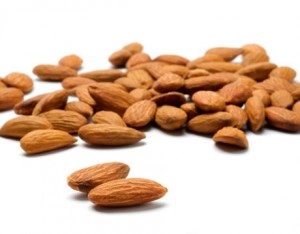
    Almonds contain phenylalanine, which unlike other compounds crosses the blood-brain barrier easily, and has been shown to alleviate Parkinson’s Disease and boost the neurotransmitters dopamine and adrenaline. Dopamine levels are important for good memory, attention, and problem solving skills, and adrenaline is linked to focus and attention as well as energy. Cashews have magnesium, which helps dilate the blood vessels in our bodies allowing more oxygenated blood to nourish our neurons. In general, just about every nut has a brain-boosting effect outside the generally high Vitamin E levels.

    Keep in mind, though, that nuts, while chock full of goodies, are also high in calories – so don’t overdo them. Also, you can have too much of a good thing: some of the studies which looked at nut doses found that really high doses actually impaired the brain, whereas moderate doses improved it. So sticking with a couple ounces of nuts and seeds a day as a snack is probably better than replacing an entire meal with them.

    This article is the first part of a two part series on Brain Food – you may find the next article on berries and greens helpful.

    References:

    1. Sano M, Ernesto C, Thomas RG, Klauber MR, Schafer K, Grundman M, Woodbury P, Growdon J, Cotman CW, Pfeiffer E, Schneider LS, & Thal LJ (1997). A controlled trial of selegiline, alpha-tocopherol, or both as treatment for Alzheimer’s disease. The Alzheimer’s Disease Cooperative Study. The New England journal of medicine, 336 (17), 1216-22 PMID: 9110909
    2. Masaki KH, Losonczy KG, Izmirlian G, Foley DJ, Ross GW, Petrovitch H, Havlik R, & White LR (2000). Association of vitamin E and C supplement use with cognitive function and dementia in elderly men. Neurology, 54 (6), 1265-72 PMID: 10746596
    3. Willis, L., Shukitt-Hale, B., Cheng, V., & Joseph, J. (2008). Dose-dependent effects of walnuts on motor and cognitive function in aged rats British Journal of Nutrition, 101 (08) DOI: 10.1017/S0007114508059369
  • Mailbag: Is milk good for me? Sheep Milk?

    Mailbag: Is milk good for me? Sheep Milk?

    How good is milk for me?  In particular, how good is sheep milk of the Spanish Manchego variety?

    Jessica, Washington DC

    Dairy Up Close

    Pretty healthy, in moderation – thanks to flickr user: redfishid

    These are excellent questions.  Most dairy products have great nutritional profiles.  They are loaded with good fats, minerals like the antioxidant selenium and vitamins like vitamin D, crucial to good bone health.  The USDA inspects the behind most food stuffs, including sheep’s milk (which you can see here), search for sheep milk), but not the Manchego variety in particular.  More than a particular species like Manchego Sheep, proper animal husbandry translates into better nutrition in the animals’ finished products, as we have seen in previously – especially in the fat profile.  Look for pasture raised milk as these animals generally eat the best food.  You may have to get very creative to find it.  Local food co-ops are your best bet.

    Watch this video to better understand what proper animal care really means for your health:

    Nutritionally though, things get more complex.  Most people eat dairy because they think its high in calcium.  What they dont know is that calcium can only be absorbed into the body when its eaten with vitamin D and phosphorus.  You could eat 100 pounds of cheese and, if you didn’t have any phosphorus or vitamin D, none of the calcium would be absorbed into your bones.

    The Calcium Phosphorus Connection

    Fortunately, these nutrients usually occur together, although in variable amounts.  The calcium in dairy products if any kind can best be tolerated by the body when the balance of calcium and phosphorus are closest to that of human mother’s breast milk, which is 2:1 calcium to phosphorus.  This ratio is far higher than the calcium and phosphorus ratio present in the milk from most other mammals, like cow’s milk (~1.3:1), goat’s milk (~1.2:1) and sheep’s milk (~1.2:1).  [1,2].  (Remember, these numbers are just averages and could range wildly depending on what the cow is eating or what kind of soil your crops are in, something the USDA never considers.)

    German study postulates that the evolutionary advantage of the lower phosphoric content in humans allowed their excrement to remain exceptionally acidic, thereby killing additional pathogens that could harm humans many thousands of years ago.  This also made humans exceptionally good at extracting phosphorus from food sources, which can be both good and bad.


    Yes, he is.

    Westernized diets are extremely tilted towards phosphoric foods like corn (.08:1 ratio) and chicken (.09:1 ratio), which have over 10X more phosphorus than calcium!   You can quickly see why our evolutionary advantage turns into a disadvantage: calcium deficiencies and osteoporosis are such a big issue now largely because we are getting excessive amounts of phosphorus and too little calcium from sources we cannot properly use.  This is one large reason to limit the amount of dairy, including sheep’s milk, that you are eating in general, and replace it with leafy greens like spinach – which tend towards the magic 2:1 calcium phosphorus ratio.  (Leafy greens are probably where most cultures got their dairy, as hard as the ‘Got Milk’ campaign has made that may be for you to believe.)

    Lactose

    Another problem with dairy, including sheep’s milk, is that most humans rarely ate large quantities of dairy until the 20th century.  This leaves much of the world’s population unable to process the milk protein lactose, with some Asian and African ethnic groups over 90% lactose intolerant to some degree.  Below is a chart of the average lactose intolerance across some racial groups put out by UC Davis:

    Lactose Intolerance by ethnicity

    Race, Ethnicity, Country of Origin Percentage
    Southeast Asians 98%
    Asian Americans 90%
    Alaskan Eskimo 80%
    African-American Adults 79%
    Mexicans (rural communities) 74%
    North American Jews 69%
    Greek Cypriots 66%
    Cretans 56%
    Mexican American Males 55%
    Indian Adults 50%
    African American Children 45%
    Indian Children 20%
    Descendents of Northern Europe 5%

    Unless you are from Northern Europe, you are likely to have problem with dairy in general.  You may not think you are lactose intolerant because your body has built an immunity towards it but take a break from dairy for a couple of weeks and then revisit the subject.  You may be surprised by what you find.

    Lactose Intolerance by Country (via Wikipedia) – click on picture for full-size version

    Many people enjoy dairy despite lactose intolerance, you just have to be smart about it.  Although accurate lactose analysis methodology is not uniformly performed by the USDA, it is widely held that milk has the highest lactose content of any dairy product.  Try raw milk cheeses like swiss and cheddar, as cheese has less lactose than milk and raw varieties will have digestive enzymes which may aid digestion.

    Making Sense of Dairy

    Taking all this information together, it makes sense to eat dairy only in small amounts.  You should aim to get most of your calcium from leafy greens as it is far easier to digest and helps restore the delicate balance between calcium and phosphorus in your body.  It also makes sense to consider your ethnic background when eating sheep’s milk or any kind of dairy.  If you are asian, african, latino or jewish you should probably avoid all dairy with high amounts of lactose like pasteurized milk.  Raw milk, with its extra digestive enzymes might help but your mileage may vary.  Limited amounts of cheese, like feta, goat, swiss and cheddar are probably the best bet for most people who still want to enjoy dairy products from time to time.

    Sources:

    USDA Chart with Phosphorus and Calcium Ratios:
    http://www.answers.com/topic/phosphorus-and-calcium

    USDA Nutrient Data Laboratory:
    http://www.nal.usda.gov/fnic/foodcomp/search/

    Ethnic Lactose Intolerance:
    NCMHC Center for Nutritional Genomics (UC Davis)

  • Food Safety – The US Policy Dimensions of HR 875 and HR 759

    Food Safety – The US Policy Dimensions of HR 875 and HR 759

    ith the recent spat of recalls surrounding pistachios and peanut butter in the US, there has been a large response from the public to better safeguard the food supply. Industry is also starting to warm up to the idea because the cost of recalls are enormous. Food lawyer Bill Marler puts the cost of just the peanut recall alone at $1 billion dollars.

    The cries for change come amid another small scale outbreak observed in April 2009 regarding alfalfa sprouts in the NE US (follow the link for more information from the FDA).

    With all this tainted food floating around the food supply, the US congress says it wants change. The first step towards change has been the now familiar hearing between corporate officers and a Congressional subcommittee. You can see some of the testimony about the salmonella outbreak in peanuts here:

    Out of these meetings has come different ways to address the public’s concerns. Here we review some of the options currently being discussed against the wisdom of some leading food safety professionals.

    HR 875

    The most hyped up pronouncement from Congress has been HR 875. Introduced by Rep. Rosa DeLauro (D-Conn), the Food Safety Modernization Act of 2009 is a response to all the food safety crises that have happened in the first part of this year. The bill has gotten a lot of press in the last couple weeks and most of it has been negative.

    Red State – Blue State, together on HR 875

    All political ideologies seem to be enraged by this bill. The far left sustainable agriculture crowd is noticeably upset that the bill lumps together factory farming operations with local agriculture, making everyone submit to the same rule set. The far right group Reason asks about HR875′s impact on the ability to farm for yourself. This bill was also prominently featured in many of the politically right ‘Tea Parties‘ that happened on tax day.

    Both sides seem to focus on just one provision in the legislation – Section 3, Article 14, where a food production facility is defined so broadly as to encompass everything from a dairy farm to your mother’s backyard. From the bill:

    “(14) FOOD PRODUCTION FACILITY- The term ‘food production facility’ means any farm, ranch, orchard, vineyard, aquaculture facility, or confined animal-feeding operation.”

    DeLauro came on the Huffington Post to defend her motives and dissuade some of this bad press, claiming the far right was responsible for a disinformation campaign. She essentially argues all these fears are bogus because the commerce clause of the US constitution – the one that allows the US congress to regulate trade in the first place – only applies to interstate trade, not hyper-local farms and neighborhood gardens. (Unfortunately, that strict constructionalist view of the constitution has not been upheld by the Supreme Court, so DeLauro, et al. would need to formally make a provision for them in the legislation to get passed this political impasse.)

    The senator also posted a rebuttal to all this criticism on her own website. You can view it here:

    A Way Forward?

    Once you get beyond the political dimension, the big takeaway from HR 875 is that it would split the FDA into two new government agencies. A ‘Food Safety Administration‘ would be formed inside of the existing Department of Health and Human Services (HHS) and be in charge of all things food while the FDA would largely turn into a ‘Drug Administration‘ with each new agency holding exclusive sway over their own fiefdoms. This is radical departure from the current system which uses a patchwork of provisions in many agencies across the government.

    This dual agency approach is largely applauded by the farming activist circuit, despite all the bad press this bill has gotten. Food and Water Watch tentatively agree with the position and so do the Trust for America’s Health + Robert Wood Johnson Foundation but problems still remain with this approach.

    Many food safety functions are carried out by the USDA and since HR 875 only addresses the FDA, most meat products (beef, fish, chicken, etc) would languish inside of our old system. Not to mention, the local dimension to food safety remains noticeably absent in HR 875, as no specific provisions for that group are included.

    H.R. 759

    The other major bill before Congress is H.R. 759The Food and Drug Administration Globalization Act of 2009. This is a different approach at fixing food safety by modifying the FDA extensively, giving the agency far more authority to conduct inspections and take action based on what it finds while keeping it intact. But, in an even deeper blow to local farming, the rules of HR 759 apply generally to all size farms and restaurants, which obviously tips in favor of large-scale farming. Even worse, the FDA’s increased surveillance costs are shouldered by the very farmers they are evaluating. Parts of the bill get extremely complicated in how these fees are determined but here is a sample from the top section:

    SEC. 741. FACILITY REGISTRATION FEE.

    ‘(a) In General- The Secretary shall assess and collect a fee for a facility registration under section 415 to defray increases (as described in subsection (f)(2)(A)(ii)) in the costs of inspecting establishments registered under section 415 and for related activities to ensure compliance by such establishments with the requirements of this Act relating to food (including increases in such costs for management of information, and the acquisition, maintenance, and repair of information technology resources).

    Some of the language is so vague that local farmers might have reason to be concerned. These fees very wildly depending on what kind of an operation each farm and restaurant turn out to be; later in the bill it explains how these fees scale – a process that will likely see great change in the sausage maker of Capitol Hill. Additional costs from this bill are also substantial inside each farm and restaurant, as it extends electronic bookkeeping to these establishments for the first time.

    Money, money, money

    In this bill’s implementation, all of these fees are heavily tilted toward industrialized, large scale agriculture. These fees will likely be a far lower percentage of their gross income; think of these fee provisions as regressive farm taxes. With closer inspection, HR 759 looks far more dangerous to local farming than HR 875 – and because it takes a more pragmatic approach to revising the FDA, Food and Water Watch thinks it has a much better chance of passing.

    Other Dimensions

    Leading researchers from The George Washington University take a different path than any of these bills. They advocate for a similar system to HR 875 (link is a long read) but even more extensive, pulling departments from other agencies like the CDC and the USDA into the fold. They still concentrate food safety into the HHS department in their excellent position paper. Here are some of the major ideas from the paper:

    “Congress should direct the Secretary of HHS to create, in collaboration with the states, a National Foodborne Illness Data Program.”
    “Congress should establish and fund an intergovernmental Food Safety Leadership Council
    (FSLC) through which the federal government would collaborate with state and local
    governments to design and implement an integrated national food safety system”
    “Congress should establish traceability requirements that permit federal, state, and local officials to rapidly obtain from food companies reliable information on the source of commodities, ingredients, and finished products.”

    The way they advocate for local involvement is far different from any federal approach, and it appears to be based on good research evaluating how the system currently works in the real world.

    What’s Next?

    Connecting a new food safety system to existing local agencies appears to be a crucial step most of the currently pending approaches before the Congress fail to address. Most recalls start on a local level so those stations need to be able to coordinate a response with federal officials, especially considering just how global the food supply is now. Other best practices safety implementations like the HACCP system Marion Nestle passionately supports need to be incorporated into whatever final legislation is adopted.

    Who is in charge of me?

    There is also the question of how phytochemical plant-based supplements/drugs would fall in this dichotomy. Right now, the FDA regulates food supplements very loosely, while putting many screws to any drug that claims to treat or prevent a disease. A semantic tip-toe has existed within these fields for years; the main difference between drugs and supplements is that supplements are directly sourced from food and herbs while drugs are proprietary creations from pharmaceutical companies. While there is already a supplement regulation act (however flawed it is), an expanded FDA or revised dual-headed Food Agency/Drug Agency setup could seriously change how we view this category of products – and it is a huge industry now. This issue could get very contentious.

    One thing is clear though – our current food safety system is not working. We need something better and if you read our last piece on food safety, you know many interested parties have been advocating for just such an overhaul for more than 20 years. Now is clearly the time as the public is finally focused on the issue. Many good ideas are floating around but just as many bad ones are as well. Let’s hope Congress is listening to the roar on the internet from HR 875 and they include protections for small scale agriculture.

  • Are Raw Veggies Better Than Cooked Ones?

    Are Raw Veggies Better Than Cooked Ones?

    You’ve probably heard that it’s better to eat vegetables raw, nutritionally, than it is to cook them. The argument is that cooking vegetables destroys the vitamins and nutrients that are packed into raw foods. But is that really true? Are you destroying all the good stuff whenever you make a stir fry? Research says no. Cooked vegetables can be just as nutritious as raw ones are – and some are even more nutritious than their uncooked rivals.

    How Science Weighs in

    Be careful with me!

    There are definitely some vitamins and nutrients that are vulnerable to heating. Vitamin C is a great example. Heating tomatoes for 2 minutes can reduce the Vitamin C levels by 10%, loss which triples after half an hour 1. Of course, that means at least 70% of the Vitamin C is still in there. And when we’re talking about vegetables, we’re not just talking one nutrient. We have to look at the overall impact cooking has on a variety of nutrients. Evidence has found that cooking vegetables, particularly boiling them, can actually make them better for you.

    Why is cooking good?

    For one, it helps break down the tough compounds in plants that our body has trouble digesting like cellulose. By doing so, it actually makes nutrients more available to our digestive system. The same study which found a decrease in Vitamin C in tomatoes found an increase in the antioxidant lycopene, a much rarer nutrient which is linked to anti-cancerous activity and reduced risk of heart attacks. And in another study, researchers found that people an all-raw diet had low levels of lycopene 2. It’s likely that breaking down the plant cell walls made the lycopene more bioavailable.

    I’m more nutritious when cooked!

    Studies have also suggested that cooking actually boosts the antioxidant content of vegetables. One found that the total antioxidant capacities actually increased when a variety of vegetables were cooked by boiling, frying and steaming3. It’s well established that cooking can increase beta-carotene levels, a nutrient which we use to make Vitamin A4. Studies have also found that we only absorb 1-2% of the beta-carotene in vegetables like carrots, but cooking can raise the level we can absorb to over 75% 5. And while cooking Broccoli might damage the sulforophane, a nutrient linked to anti-cancerous activity, it increases the folate availability 6

    Other studies are less clear. One found that what you cooked and how mattered a lot. Deep frying increased the antioxidants in potatoes, artichokes and aubergine but reduced it for mushrooms and onions 7. In that same study, boiling increased antioxidants across the board but pan-frying reduced them. So different cooking methods can have different effects on different vegetables, some negative and some positive.

    So is it better to cook vegetables?

    Yes and no. It’s better to have a good mix of raw and cooked veggies in your diet. That way you get the best of both worlds. The key thing is not to presume that cooked vegetables are nutritionally poor, because they’re not. They’re also packed with vitamins and minerals, and some of them you can’t get as easily by eating the uncooked versions. Most important, though, is that you’re eating lots of fruits and vegetables to begin with. So if you don’t like to eat certain vegetables raw, cook them – it’s better you eat them cooked than not eat them at all, no matter how many of the nutrients cooking might destroy. And it doesn’t really matter whether you cook them or not if you’re eating your full servings greens, reds, and yellows every day. You’ll get the nutrients you need either way!

    Sources:

    1. Dewanto, V. et al. (2002). “Thermal Processing Enhances the Nutritional Value of Tomatoes by Increasing Total Antioxidant Activity.” Journal of Agricultural and Food Chemistry 50(10), 3010-3014.

    2. Garcia, A.L., et al. (2008). “Long-term strict raw food diet is associated with favourable plasma β-carotene and low plasma lycopene concentrations in Germans.” British Journal of Nutrition 99, 1293-1300.

    3. Miglio, C., et al. (2008). “Effects of Different Cooking Methods on Nutritional and Physicochemical Characteristics of Selected Vegetables” Journal of Agricultural and Food Chemistry 56(1), 139-147.

    4. Talcott, S. T., L. R. Howard, and C. H. Brenes (2000). “Antioxidant Changes and Sensory Properties of Carrot Puree Processed with and without Periderm Tissue.” Journal of Agricultural and Food Chemistry 48(4), 1315-1321.

    5. Erdman, et al. (1993). “Absorption and transport of carotenoids.” Annual NY Academy of Sciences 691, 76-85.

    6. Clifford A.J., et al. (1990). “Bioavailability of folates in selected foods incorporated into amino acid-based diets fed to rats.” Journal of Nutrition 120(12), 1640-1647.

    7. Pellegrini, N. et al. (2009). “Effect of domestic cooking methods on the total antioxidant capacity of vegetables.” International Journal of Food Sciences and Nutrition, Retrieved March 31, 2009, from http://www.informaworld.com/10.1080/09637480802175212.

  • One Fat, Two Fat, Is Any Fat a Good Fat?

    One Fat, Two Fat, Is Any Fat a Good Fat?

    One of the most confusing things when it comes to proper nutrition is the role of fats. We’re constantly told that fats are evil things which will expand our bellies to the size of hot air balloons. This constant anti-fat attitude is behind many of the popular diet trends, which focus on cutting fats and carbs and replacing them with proteins. But not all fats are the same, and not all of them are bad for you. In fact, many fats are very good for you. Recent research has found that the low-fat diet trend is simply wrong for us– we’re not supposed to have no fat in our diets. you just have to know which is which.

    The Good

    The Good – CIS Unsaturated

    Because they’re called by their names more than their general category, you might not even know that the good fats are even fats at all.  The fats that are good, in general, are ones that are cis-unsaturated.  In chemistry, fats are carbon strings with hydrogens attached to them. “Unsaturated” means that the carbons are not bound to as many hydrogens as they can. So fats can be monounsaturated (only one hydrogen less than the possible maximum), polyunsaturated (2 or more less) or saturated. And of the unsaturated fats, there are two main forms: cis and trans. This has to do with how the carbons bond to each other where there is a hydrogen missing. In nature, they bond in what is called a ‘cis’ manner, which creates a bend in the molecule. When we artificially change monounsaturated fats into other fats, they instead form a ‘trans’ bond, which is almost straight.

    Our bodies are naturally very good at breaking down and utilizing the cis-unsaturated fats.  They fit better into the enzymes in our bodies which cut apart the carbons and chop up the molecules for use. That said, have you heard of cis-unsaturated fats? Probably not. They don’t appear on nutrition labels as a category, and are rarely referred to as such by the media.

    Olive Oil is loaded in monounsaturated fats

    What you might have heard of, though, are Omega Fatty Acids, Oleic Acid, Palmitoleic Acid and Linoleic Acid. These are all cis-unsaturated fats. The benefits of these kinds of fats are well explored by scientists. They contribute to lower cholesterol levels and reduced risk of heart disease. They’re connected with positive effects from intelligence to weight loss. In fact, eating them is better than cutting your fats period. Studies have shown that increased intake of these unsaturated fats, like in a Mediterranean diet which includes large amounts of olive oil (chock full of unsaturated fats), leads to all kinds of health benefits [1,2,3]. In general, they’re really, really good for you.

    The foods that are highest in unsaturated fats include:

    • avocados
    • nuts (like walnuts and pecans)
    • vegetable oils (like canola oil, olive oil and grapeseed oil)

    They’re found in animal products, too, but animals tend to have saturated fats as well as unsaturated ones. In general, the FDA recommends that no more than 30% of your overall calorie consumption comes from unsaturated fats, or 67 grams given a 2000 calorie diet.

    The Bad (but not sooo bad)

    Saturated fats are often touted as the bad guys. But they’re not quite as bad as they’re portrayed. These are seen as the main culprit behind high blood cholesterol and are known to raise bad LDL cholesterol levels. Unlike unsaturated fats, though, they don’t lower good HDL cholesterol levels.

    Extra Virigin Coconut Oil – a good saturated fat

    Don’t write them off as terrible for you just yet. Unlike trans fats, saturated fats occur naturally in high concentrations, particularly in animals. Some studies have found that a little saturated fats actually increases the benefits of some unsaturated fats when eaten together [4].  Still others have found that diets high in certain saturated fats from vegetables not animals, like unrefined, cold pressed coconut oil , might even be good for you [5,6].  Diets that are low-carb but high in protein and fat, for example, don’t automatically increase the risks of heart disease. Other studies have had mixed or even positive results from diets with saturated fats. One in 2007, for example, found that lower risk of heart disease was associated with increased fat intake so long as it wasn’t trans fat, including benefits from eating more saturated fat.

    The key, it seems, is moderation, not complete extermination of saturated fats from our diets. The USDA and the Department of Health and Human Services say that up to 10% of your daily calorie intake can come from these fats, which are found in meat, cheese, dairy products and tropical oils like palm and coconut oil.

    The Ugly

    A Trans Fat – notice how straight it is

    The worst fats for you, by a landslide, are the trans fats. While other dietary fats have redeeming qualities, trans fats seem to have none. They’re almost entirely man-made, created by adding hydrogens to other fats. This process, called hydrogenation, turns oils into the semi-solid margarine and other products that are associated with trans fats. These trans fats are useful because they have a longer shelf life, are hard enough to stay solid at room temperature, and yet can even be malleable cold. Unfortunately, there’s a cost for their benefits.

    Trans fats, in general, are bad for you. They raise your risk of diabetes and heart failure, particularly by raising “bad cholesterol” levels in the body. But they don’t stop there. They not only raise LDL (bad cholesterol) levels, they lower HDL cholesterol levels – the good ones. In 2006, a scientific review of fats from the New England Journal of Medicine stated clearly that “from a nutritional standpoint, the consumption of trans fatty acids results in considerable potential harm but no apparent benefit.”

    For many years, margerine like Country Crock was loaded with trans fat. They have reduced the amount greatly but it is still in there.

    The damning evidence against trans fats comes from a study of 120,000 female nurses from 1976 to 1990. The Nurses’ Health Study found that the risk of coronary heart disease nearly doubled for every 2% increase in trans fat calories consumed instead of carbohydrates. Considering the same increase in risk takes a 15% increase in saturated fats and that eating the other unsaturated fats actually lowers heart disease risks, there seems to be no reason to eat trans fat at all. And if that weren’t bad enough, trans fats have also been linked to liver problems and even infertility.

    Trans fats are the ones found in fried foods, commercial baked goods, shortening and margarine. Based on the source list, it’s not surprising it’s not healthy. The American Heart Association says that no more than 1% of your total daily calories should come from trans fats to maintain a healthy heart, and, in general, any increase in trans fats increases your risk of coronary heart disease and stroke.

    How To Get The Good Without Too Much Bad Or Ugly

    Now that you know what to look for, you can make more informed choices about your meals when you hit the grocery store. Read the nutrition labels carefully. For example, “no trans fat” can still contain up to 6% trans fat according to US guidelines, and ‘high’ or ‘low’ fat aren’t as important as the kind of fat. Just because something contains 10 g of fat doesn’t mean it’s awful for you – check and see if the fat is saturated or unsaturated.

    The best way to keep your diet healthy is to do little things to replace your trans or saturated fats with cis-unsaturated ones. For example:

    • cook with olive oil or sunflower oil instead of butter or margarine
    • eat fish, which is high in Omega Fatty Acids but low in other kinds of fats
    • grilling instead of frying your meat
    • removing the skin from your chicken breast can reduce saturated fat levels by 30%-50%

    Doing these type of things will decrease your risks of heart disease, obesity, diabetes, and a bunch of other diseases.

    Before I get my head chopped off in the comments for saying fats are healthy, don’t get me wrong – most Americans already eat way more fat than we should, of any kind. So it’s not necessarily a bad thing to cut down your fat intake if you’re looking to make your diet a bit more nutritious. But if you already eat somewhat healthy, are at a normal weight and are just looking to improve yourself, cutting the fat out of your diet entirely isn’t the way to go. Ideally, even if you’re trying to lose weight and eat healthier from a less-than-healthy starting point, you shouldn’t see all fats as the enemy. My point is that fats really are good for you, in the right amounts.

  • Patti’s Food Substitution List

    Patti’s Food Substitution List

    Eating better isn’t easy. Most of the choices you have to make about food come at you quickly, when you are often far from the information you need. And how many people even know what tef is?

    We have decided to put together a handy list of which foods make the best, healthy substitutes for the unhealthy foods you are already eating.

    This should help quiet that persistent argument that eating healthy means giving up the foods you love. On the contrary, almost every food on the unhealthy side of this list has a very similar, if not identical cousin on the healthy side.

    Eating well is more about knowledge than limitations. We hope this helps you open the door.

    Note: Both charts can be re-categorized by clicking on the column headings

    Patti’s Food Substitution Chart

    Traditional Food Healthier Alternative(s)
    Vinegar (white) Raw + Organic Apple Cider Vinegar, Rice Vinegar, Plum (umeboshi) Vinegar
    Milk (Cows, Pasteurized) Almond Milk, Rice Milk/Organic Soy Milk, Raw Organic Cow’s Milk
    Butter, Traditional Spectrum Spread, Flax seed Spread, Raw, Organic Butter, Clarified Butter (Ghee)
    Cheese (Cow’s Milk) Goat Cheese, Feta Cheese, Rice Cheese, Raw Milk Cow Cheese
    White Bread Sprouted Multi-grain Bread, Sprouted Whole Wheat, Rye Bread + Linseed – real!, Whole Spelt Flour Breads
    Saltines, Refined Wheat Crackers Brown Rice Crackers
    Beef/Lamb – Factory Farm Pasture-Raised + Grass-Fed Beef, Pasture-Raised + Grass-Fed Lamb, Seitan-meat substitute, Fermented Soy (Tempeh)
    Chicken – Factory Farm Pasture-Raised Chickens, Cage-Free Chickens
    Eggs – Factory Farm Pasture-Raised Eggs, Cage-Free Eggs, Omega-3 Enhanced Eggs, Tofu Scramblers
    Pancakes, Refined Grain Whole Buckwheat Pancakes, Multi-grain Pancakes
    Waffles, Refined Grain + HFCS Buckwheat, Gluten Free Waffles
    White Sugar Brown Turbinado Sugar, Stevia, Rice Syrup Crystals
    Syrups, ‘Maple’ + HFCS Agave Syrup, Maple Syrup
    Honey Raw + Unfiltered Honey, Agave Syrup, Local Honey
    Orzo – Rice Shaped Pasta + Couscous Quinoa
    Refined Grain Pastas Whole Wheat Pasta, Brown Rice, Quinoa, Amaranth, Tef, Buckwheat (soba) Noodles
    White, Wheat Flour Whole Spelt Flour, Whole Buckwheat Flour, Brown Rice Flour
    White Rice Brown Rice, Red Rice, Wild Rice
    Potato Chips Sweet Potato Chips, Taro Chips
    Corn (GMO) Chips Blue Corn Chips, Rice Chips
    Peanut Butter Almond Butter, Cashew Butter, Sesame Butter, Organic Peanut Butter
    Roasted Peanuts Raw Almonds, Pecans, Macadamias, Cashews (dry roasted)
    Salted Sunflower Seeds Raw Pumpkin Seeds
    Pizza Brown Rice Flour Pizza with Rice Cheese, Whole Wheat Pizza with Buffalo Cheese
    Salt, Iodized Celtic Sea Salt (Gray), Himalayan (Pink), Salt Lake Salts (Red)
    Jellies – w/ HFCS Fruit Juice Sweetened Preserves
    Vegetable/Cooking Canola Oil Extra Virgin Coconut Oil (High Flash Point)
    Salad Dressing Soy Oil Extra Virgin Olive Oil, Flax Oil, Avacado Oil
    Soup Bouillon Organic Chicken Broth, Free-Range Broth, Vegan Vegetable Buillon
    Dark Soft Drinks/Sodas Fruit Juice sweetened Spritzers
    Citrus Sodas Club Soda + Lemon/Lime and Stevia
    Coffee Whole Leaf Teas (Danelion Root in Spring, Chicory, Green, Black), Tecchino Coffee Substitute, Mushroom Coffee
    Candy + Milk Chocolate Dark Chocolate (+60% cocoa)

    Revisions

    Version 1.0 of this chart was released on 2009-03-16. All revisions will be noted here.